
Token Weather
Monitor Claude Code context usage above the prompt with Token Weather: a live percentage, token count, and 12-turn history.
By Claude Code DevRelPublic source
Discover Claude Code mods that change how you work, play, and create. A better workspace starts with a little customization.
~/projects/something-good
✳ Claude Code / made yours
Reading the room…
THE COLLECTION
Useful tools. Delightful distractions. A workspace that fits you.
Monitor Claude Code context usage above the prompt with Token Weather: a live percentage, token count, and 12-turn history.
Install Blast Radius for Claude Code to preview supported risky Bash commands, then choose Proceed or Cancel. Learn its display requirements and limits.
Install Replay Theater for Claude Code to review the last turn’s edit attempts, one diff at a time. Learn /replay controls and session-history limits.

Install Claude Ambient for eleven reactive scenes above your Claude Code prompt. Learn scene controls, macOS sound setup and marketplace choices.

Follow Claude Code plans with live stage and step progress bars, subagent rows and sound cues. Includes plan-progress installation and display controls.

Play multiplayer Doom inside Claude Code with Intermission. Source and setup for macOS 15+, Ghostty or kitty, and Claude Code 2.1.287+.

Switch model and reasoning effort from your keyboard.

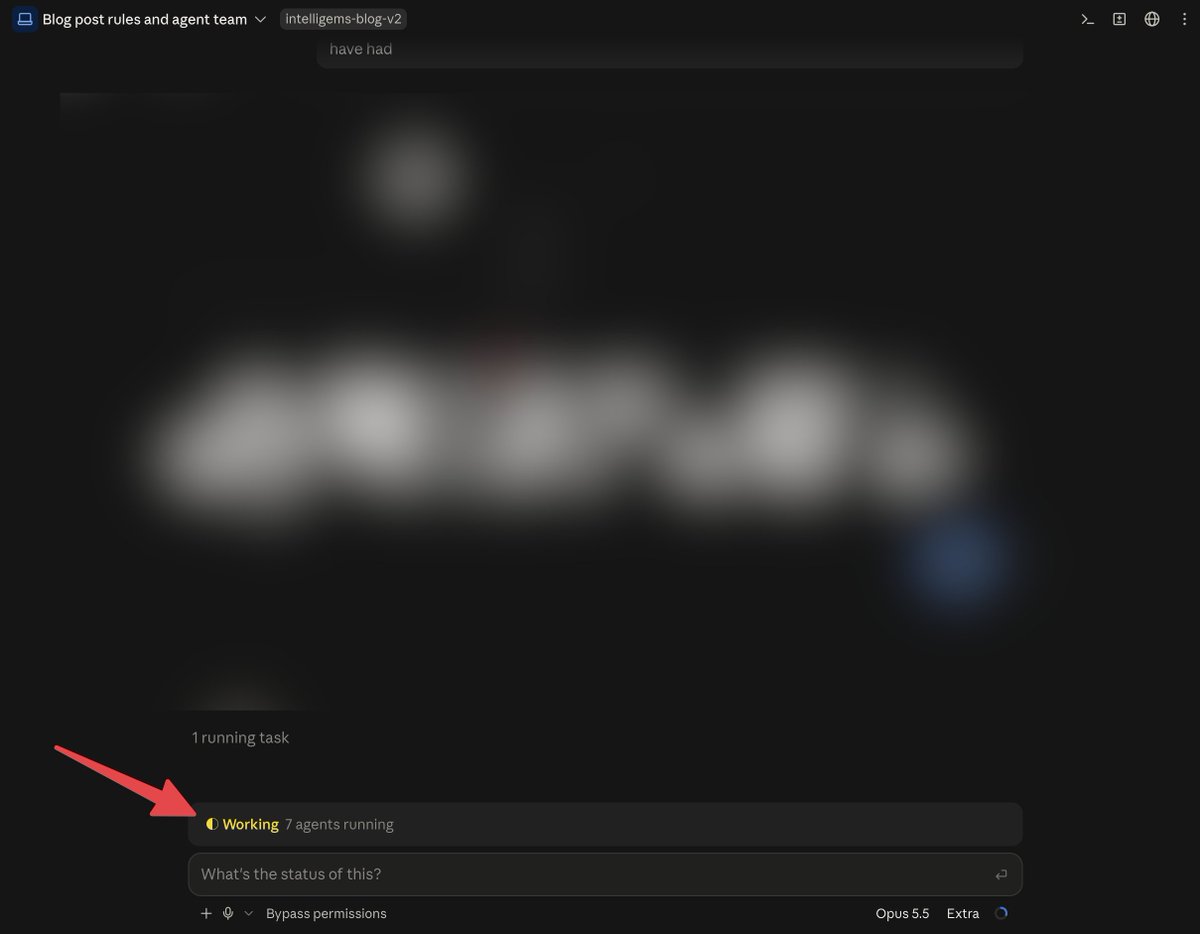
Know when Claude is working, done, or waiting for you.

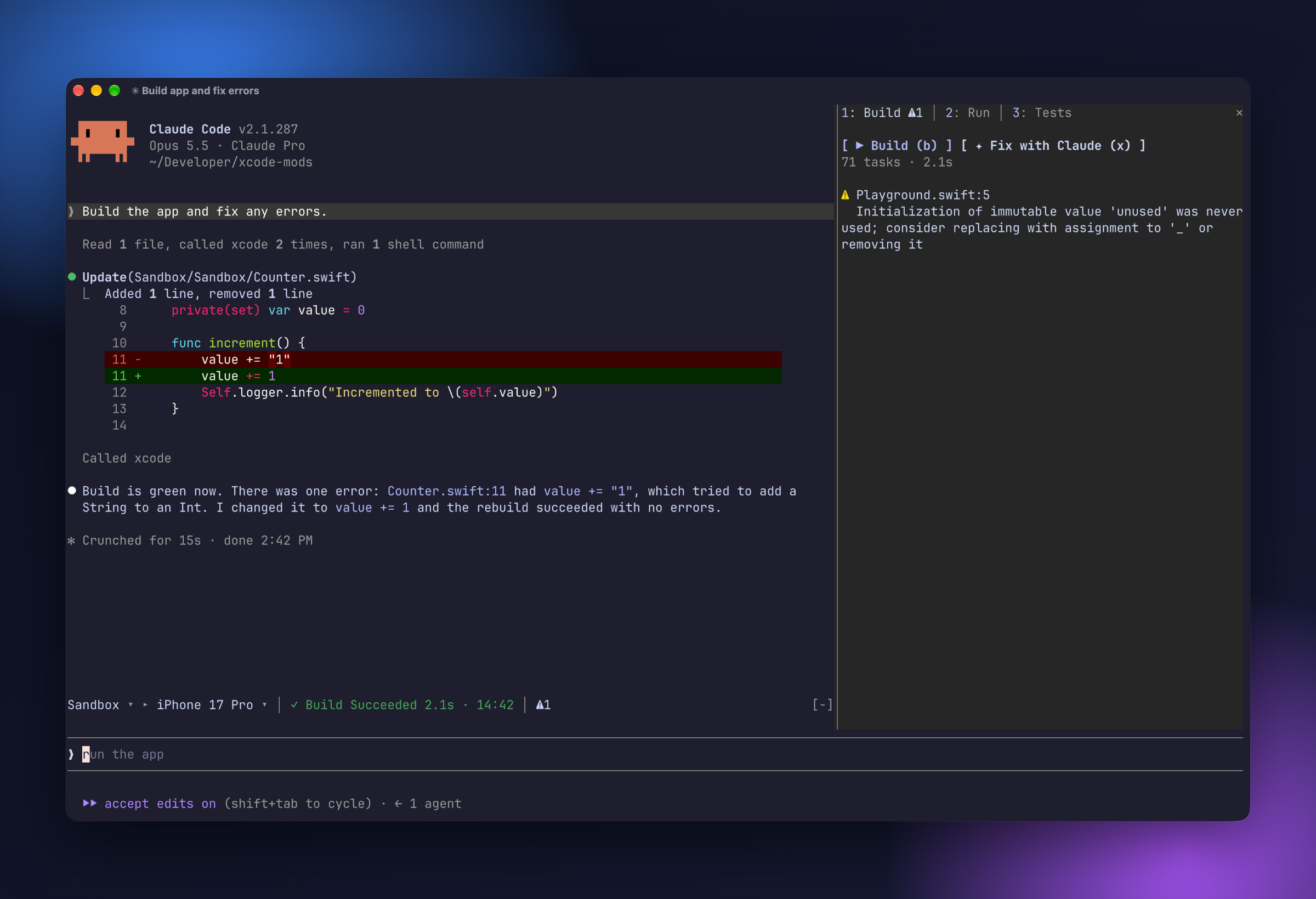
Set up Artem Novichkov’s xcode-mods for SwiftUI previews, builds and tests in Claude Code. Check Xcode MCP requirements and missing-preview fixes.
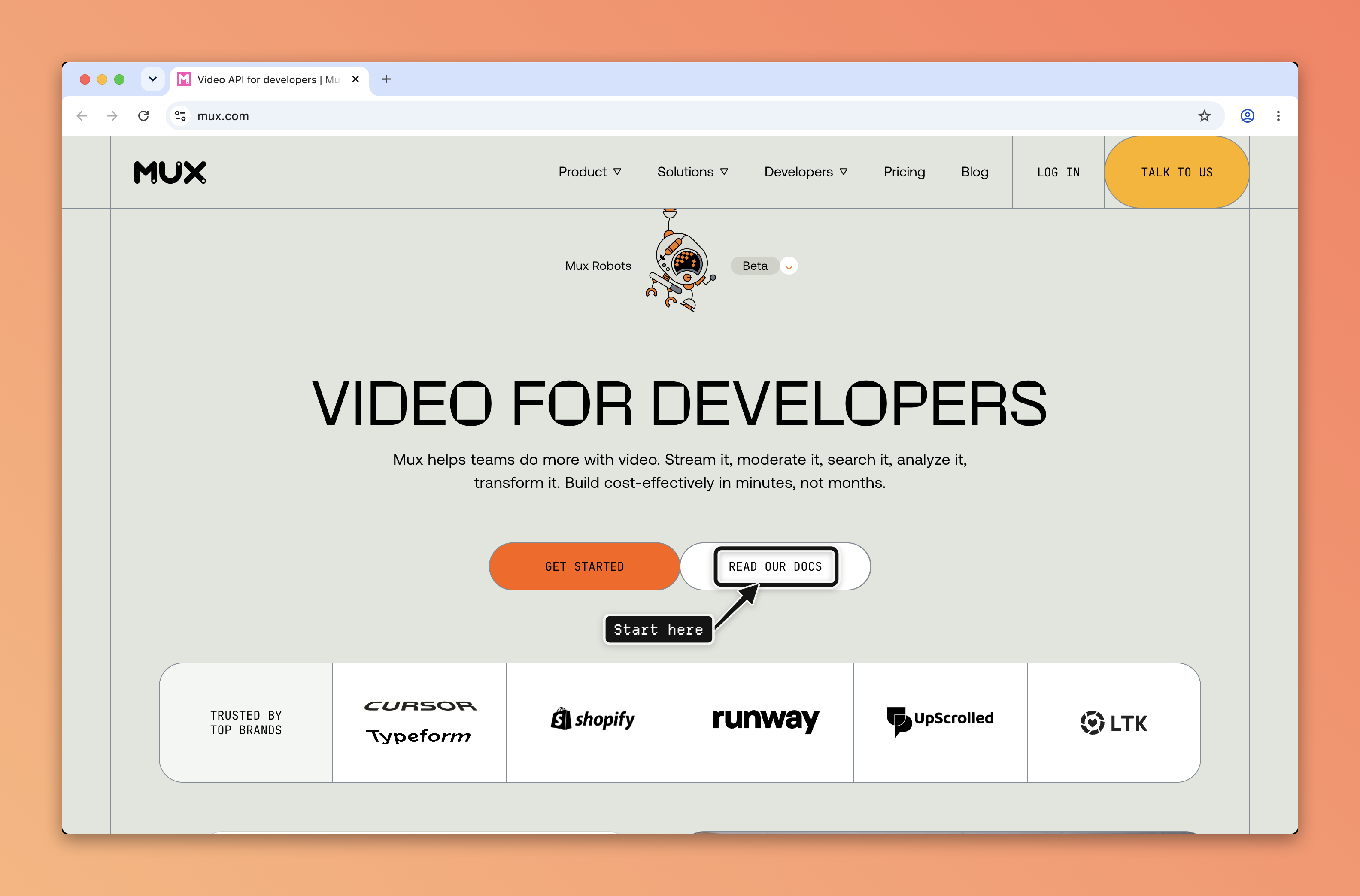
Use Shot with Claude Code for macOS screenshots, text-targeted annotations and live screen pointers. Includes installation, permissions and screenshot-history limits.
Public source means a repository and setup instructions are linked. Demo only means a creator has shown the idea, but installation isn’t confirmed.
How we curateCLAUDE CODE CUSTOMIZATION
Claude Code mods customize the workspace around your conversations and tool calls. They ship inside plugins and can add interface elements or respond to session events. Instead of changing only what you ask Claude to do, a mod can change what you see while it works: context meters, progress displays, edit replays, ambient scenes, or even a small game.
CC Mods brings original repositories and creator demonstrations together in one searchable directory. Browse by the job you want to improve, open a listing to see what its author describes, and follow the original source for setup. A demo is useful inspiration, but it is not automatically an installable release.
Start with a specific friction in your daily session. Want to understand context usage? Look at Context. Want to review the sequence of edits or follow a plan? Explore Workflow. Prefer a different atmosphere or faster controls? Interface is a good starting point.
Keep an eye on context usage and understand what your session is carrying.
↗Follow tasks, review changes, and put your working preferences into practice.
↗Make Claude Code look and feel more like your own workspace.
↗Add visibility and deliberate decisions around supported tool calls.
↗Play Doom or grow an idle Server Farm inside Claude Code. Compare creator setup, terminal requirements, display behavior, and waiting-time use cases.
↗Watch the preview and read the features. Compare the mod with the problem you actually want to solve, rather than installing every interesting experiment.
A Public source listing links to a repository and documented setup. Read its version requirements, supported interface, configuration, and limitations before copying commands.
Some mods use a plugin marketplace; official examples can be loaded from a local plugin directory. The install guide walks through both approaches with source-linked examples.
Claude Code 2.1.300: what changes for mod authors? →
You Should Know: enable Claude Code’s built-in side-agent mod →
These customization tools solve different problems and can work together. Use this distinction when searching for the right extension.
Mods vs plugins, skills, hooks, and MCP: choose by your task →
No. Public source entries have a linked repository and author setup instructions. Demo only entries link to an original demonstration, but we have not confirmed a public installation path. Use the public-source filter if you only want entries with documented setup.
Official documentation supports mod UI in the terminal, Desktop’s Code tab, and VS Code extension 2.1.299+ when the session fetches feature flags. Supported elements vary by surface; headless sessions do not display mod UI. Individual mods may support fewer environments; check the author’s README.
This directory includes both Anthropic playground samples and community projects. The creator credit and original repository identify the source of each entry. CC Mods itself is an independent collection and is not affiliated with Anthropic.
A published mod may provide ready-to-copy installation commands, so you do not always need to develop a mod yourself. You still need to follow its setup requirements and understand any permissions or configuration it uses. Demo-only ideas may not have a ready-made release.
It means we found public source and documented setup. We review creator evidence but do not run every mod or perform a security audit. The review date describes our source review, not a compatibility guarantee.
Pick one small, understandable feature and a repository with clear instructions. Token Weather is an official sample for observing context usage; other listings focus on workflow, appearance, or waiting-time experiments. Read the install guide and the author’s notes before trying a mod.
MADE SOMETHING GOOD?
Share a useful tool, a playful experiment, or a better way to work.